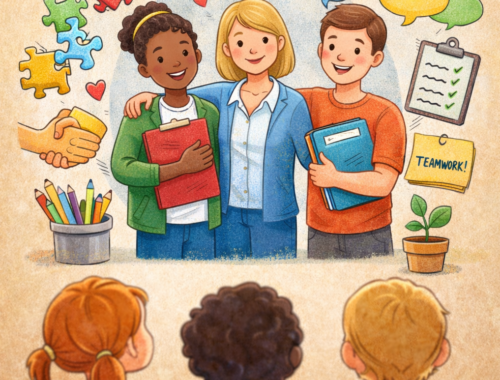
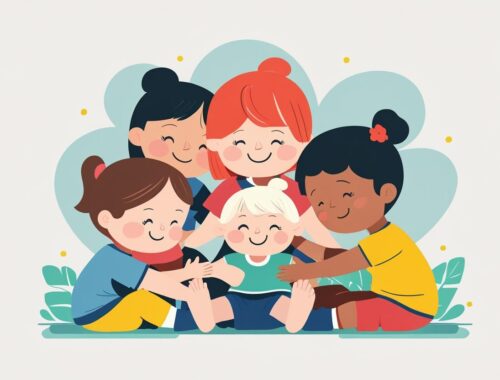
Strong Teams Build Strong Classrooms
In this series, I’ve been reflecting on what actually makes a classroom feel strong — not in theory, but in the messy, everyday reality of working with children and the adults around them. In the last post I wrote about…
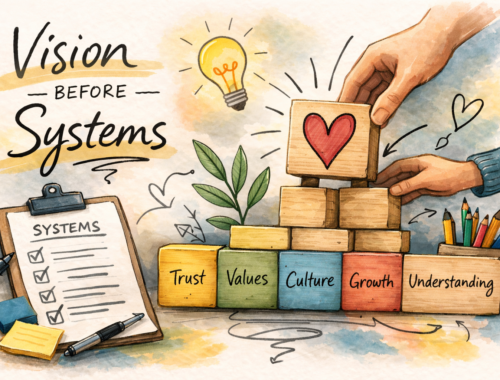
Vision Before Systems
Before I go any further, I should probably explain what I mean by “systems” and “vision,” because I used to think they were almost the same thing. When I say systems, I mean the structure we are trying to implement…
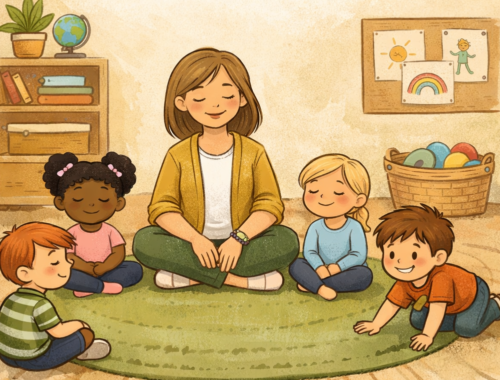
My Successful Classroom (Most of the Time)
What Do We Even Mean by “Successful”? A successful classroom does not happen overnight. If it did, someone would have written a very expensive book about it already and we’d all be following The 3-Step Calm Classroom Method™ while drinking…
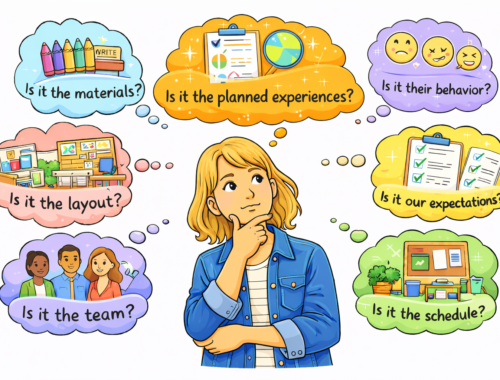
Who is this really challenging?
In room meetings, I often hear the words — usually between discussions about interests and upcoming events — “We need to talk about a challenging behaviour.” And almost every time, my first thought is: What challenging behaviour? Not because nothing…
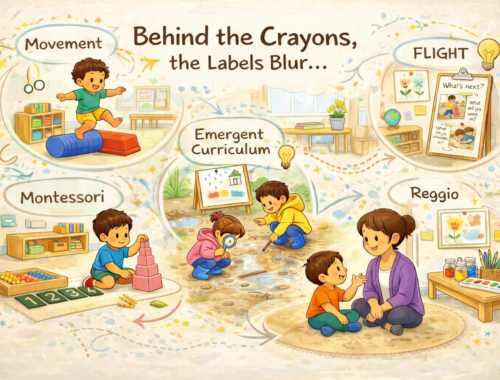
Behind The Crayons the Labels Blur…
In early childhood education, curriculum often sounds like a choice you’re supposed to make once—pick an approach, commit fully, and never look back. Montessori or Reggio. Emergent or structured. Play-based or outcomes-driven. As if learning fits neatly into one box,…
Peace of Mind Curriculum
If you’ve spent some time reading my earlier posts, you may already have a sense of why this blog exists. If not, I thought it might be time to say it out loud. This blog grew out of my practice—years…
Emotional Intelligence: Social Skills
In my previous post, I discussed the importance of empathy in the early years and how nurturing it through a variety of activities supports children’s ongoing development of emotional intelligence. In this post, we will turn our attention to fostering…
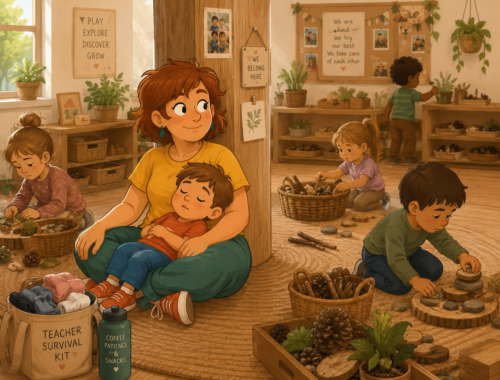
A Lap, A Leak, and the Importance of Emergency Underwear
You’d think it goes without saying, but let me just say it louder for the people in the back: preschool teachers should always have an extra set of clothes. Like, full set. Socks included. Because when you spend your days…
Emotional Intelligence: Motivation
In my last post, I explored self-regulation and the important role it plays in the development of children’s emotional intelligence. This time, we’re diving into another key piece of the puzzle: motivation.
Emotional Intelligence: Empathy
After exploring motivation in the last post and how it helps children develop an internal drive to learn, connect, and grow, we now turn to another essential piece of the emotional intelligence puzzle: empathy.